Monday, May 7, 2018

Q 30: Hamster happenings


Today's questions are about a rodent we don't see so many of in our animal facilities, but they surely have some interesting characteristics...  and here are some questions to perhaps make you check out the blue book!

1. There are 4 genera of hamsters we use in research:
Name the genera – and might as well name the species too…
  • Which is the smallest? 
  • Which one does NOT hibernate and which one is a TRUE hibernator?


2. We know that hamsters have ‘special’ cheek pouches:
  • What is special about them and why are they that way?
  • What are they often used for?


Golden (Syrian) Hamsters

3. True or false?
  •  They hibernate
  • They need to fatten up before hibernation
  • If they wake during hibernation they won’t go back into hibernation

4. What is different about the anatomy of the stomach in hamsters compared to other rodents?

5. What characteristics of their pulmonary system makes them a good model for smoke inhalation studies?

6. How are their oocytes used in a biomedical/clinical setting?

7. What is the cause of “wet tail” in hamsters?

8. Tyzzers disease in hamsters has a triad of pathologic signs: what are they?

9. What is unique about the hamster Helicobacter aurati (compared to mouse and rat Helicobacter species)

10. At what ABSL must hamsters be kept if they are infected with lymphocytic choriomeningitis? Is this the same as in mice?

11. Hamster parvovirus is nearly identical to which mouse parvovirus?

12. Name three differences (2 anatomic, one epidemiologic) between the 2 cestodes that hamsters are susceptible to.. (Rodentolepis nana and Hymenolepis diminuta)

Other Hamsters


13. Which species is the most radioresistant and develops spontaneous diabetes mellitus?

14. Which species is highly susceptible to oncogenic viruses? – can you name (3 or 4) oncogenic viruses?

15. In general, when breeding hamsters, the male should be taken away for raising the young. Which hamster species is the exception and you should leave the male to help raise the young?

Answers posted here


Monday, April 2, 2018

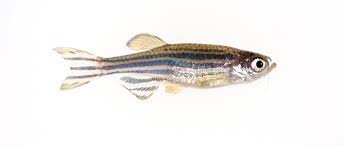
Zebrafish 101


Zebrafish are an increasingly common sight in or near our research facilities. How much do you know about keeping fish (and zebrafish in particular)?


1. Which characteristics of zebrafish development make them so attractive for studying embryonic development?

2. What is the genus and species and native location

3. Zebrafish water quality parameters should be:
a. pH
b. temperature
c. conductivity
d. hardness

4. True or false, ammonia , nitrite and nitrate are very toxic to fish

5. Why should the temperature of the tank room be maintained slightly higher than tank water?

6. When retrofitting a fish facility into a room on an upper floor – what construction detail should not be overlooked?

7. What is the best method to control excess algae in the aquarium

8. What is the commonest cause of fish becoming ill due to infectious disease?

9. Which Mycobacterium species are commonest in aquarium fishes? Can they infect people?

10. What are the commonest bacterial infections?

11. Which is the commonest nematode and what is the characteristic feature of its eggs?

12. Which is the commonest flagellate skin disease and what characteristic behavior is seen with infected fish?

13. What is the commonest fungal disease caused by and is it usually primary or secondary? What is the prognosis?

14. What is the commonest ciliated protozoan parasite of skin?

15. Which ciliate protozoan parasites infect gills? Are they common in the lab?

16. When treating a tank with antibiotics, what should be done with respect to external filtration? Which drug could be photoinactivated?

17. Which diseases can be treated by salt water immersion and raising tank temperature?

18. Which disease requires depopulation and intensive environmental treatment with bleach to prevent reintroduction from the environment?

19. Malachite green is a popular treatment for fish infections, which should not be used in the laboratory. Why not?

20. Not to belabor the point, but what is the commonest cause for sick fish?

ANSWERS POSTED HERE


Monday, March 5, 2018

Q 28. What do you know about humanized mice?

from the institute of  molecular and cell biology
These super-expensive mice are increasingly arriving in our facilities as the latest tool in combating human cancers and infectious and autoimmune diseases.  Here are some questions relating to key facts and concepts you might need to know.

1.  What was the key additional mutation that allowed immunodeficient mice to be engrafted with components of the human immune system and tissues?


2. What are the 3 immunodeficient mouse strains that together with this mutation are used as models to engraft human tissues. (gene names and symbols please!)

3.  Which model (common name) is engrafted by injection of peripheral blood leukocytes?  What are 2  disadvantages of this model?

4. Which model (common name) is engrafted by IV or intrafemoral injection of human SCID-repopulating cells?  What is the advantage of this model over the previous one?

5. Which model (common name) uses human fetal tissues and what is the deficiency of this model?

6. Humanized mice are frequently used to study HIV.  Which mouse model is most commonly used and why?

7. Epstein Barr virus is studied using humanized mice. EBV affects 90% of humans worldwide. Which cells are transformed by EBV and which immune cell is normally responsible for eliminating these transformed cells? List immunological and autoimmune disorders that can result from EBV if these cells are not removed.

8. Most humanized mouse models have used human cell lines for engraftment, however unlike in patients, cell lines and the environment they grow in is homogenous. In the next step forward, patient cancer cells are being grown in humanized mice. Which of model (of the 3 types above) is required for growth of human patient cancer cells? What is the common name of this model?

9. List 3 (or more) remaining problems to be solved in development of future humanized mouse models.

ANSWERS POSTED HERE

Monday, February 5, 2018

Q27: Spontaneous Diseases in Common Mouse Strains

image from clipartbarn
Why should you care?  Well, it's not unheard of for our investigators to suspect that pathology or behavior they discover is related to a mutation,  when in fact it's a feature of the background strain. 

So here is an eclectic collection of questions relating to our common inbred strains...

1. Which strain has long been used as a source of ES cells for targeted mutations and why is this a problem?

2. List 2 strains that have mutations in the dysferlin gene and what condition (s) results?

3. Which strain is known for has a high incidence of thymic T cell lymphoma and what is the genetic reason?  Which immunodeficient strain is also has a high incidence of T cell lymphoma?  Which strain has a high incidence of B cell lymphomas?

4. Which strain has a high incidence of cardiac abnormalities including epicardial mineralization and cardiomyopathy and is widely used for infectious disease studies?

5. Which 2 strains with high and low mammary tumor incidence (respectively) were developed from an A albino female to a DBA male?

6. Which strain historically had a very high incidence of mammary adenocarcinomas due to MMTV?

7. Which strain is known for its resistance to many infectious agents but susceptibility to mouse adenovirus 1 and encephalomyelitis?

8. Which induced disease  model is the DBA mouse known for and what is the human condition?

9. List 2 strains susceptible to seizures

10. List 2 strains that exhibit acallosity


ANSWERS ARE POSTED HERE


Monday, January 22, 2018

Q 26: Viral Zoonosis Basics...


What do you know about viral zoonoses...? (these should not be too hard!)

Considering the following:


YABA
ORF
Dengue
Marburg
Ebola
Hanta
LCM
B Virus
Hepatitis A
SIV
Measles
Newcastle Dis
Influenza
Rabies

Which disease(s) ?
1. Is/are generally lethal in new world primates
2. Are transmittable by aerosol
3. Bats are a/the reservoir host
4. Cause tumors
5. Squirrels are significant reservoirs
6. smallpox vaccine is protective
7. The reservoir host is probably NOT the african green monkey
8. Transmitted by Aedes mosquitos
9. Rodents are the reservoir hosts
10. Have been transmitted by corneal transplants

ANSWERS ARE POSTED HERE


Tuesday, January 16, 2018

Q 25: Those OTHER parasites (of rats)

Apologies for taking an extended holiday break, but my excuse is hopefully that everyone else was taking a break too 😆

This  month's questions are rats, yet again.  Many of us are now seeing lots of parasites we haven't seen before, courtesy of PCR testing, and if you're like me, you had to go look some of them up!
So here are some questions regarding those 'other' parasites...
Here's the list:  (if it looks like the index from the rat blue book, there's a reason for that!)

1. Trypanosoma lewisi
2. Hepatozoon muris
3. Toxoplasma gondii
4. Hammondia hammondi
5. Sarcocystis spp.
6. Frenkelia spp.
7. Trichinella spiralis
8. Calodium hepaticum
9. Trichosomoides crassicauda
10. Gongylonema hepaticum
11. Taenia taeniaeformis
12. Giardia muris
13. Spironucleus muris
14. Hexamastix muris
15. Chilomastix bettencourti
16. Tritrichomonas muris
17. Pentatrichomonas hominis
18. Eimeria nieschulzi
19. Entamoeba muris
20. Balantidium coli.

And here are the questions:

A. List those that are likely to be seen in laboratory rats
B. List those that have clinical or pathological consequences
C. List those that are rat host-specific
D. List those that can infect humans
E. List those where reported response to infection may affect research.
F (bonus - what is the picture showing?)

Happy hunting the answers!

Answers are posted here


Monday, December 11, 2017

Q24: Random Rat Questions

from mnn.com
This week just a smattering of "things you should know" about rats...

1. At what light intensity (lux) is there a probability of phototoxic retinopathy?
2. Which 2 glands are responsible for tear production?
3. What is the normal hearing range of rats?  How does that compare to humans?
4. Also which kinds of rat communication calls happen in the ultrasonic range?
5. Which teeth do rats NOT have (ie of incisors, canines, premolars, molars)?
6. Which gland in the head is a "mixed" gland?
7. We all know rats have no gall bladder, but where does the common bile duct enter the GI tract?
8. How many chromosomes does a rat have?
9. Rat pups can absorb maternal antibodies until a) 7d,  b) 15d  c) 20-21d, d) birth
10. Rats do not begin breeding until  a) 9-13 weeks b) 4-6 weeks c)7-10 weeks d) 11-15 weeks
11. List rat models for:

  • Obesity
  • Spontaneous Type I diabetes mellitus
  • Type II diabetes mellitus
  • Hypertension
  • Prostate cancer
  • Diabetes insipidus
  • Stroke